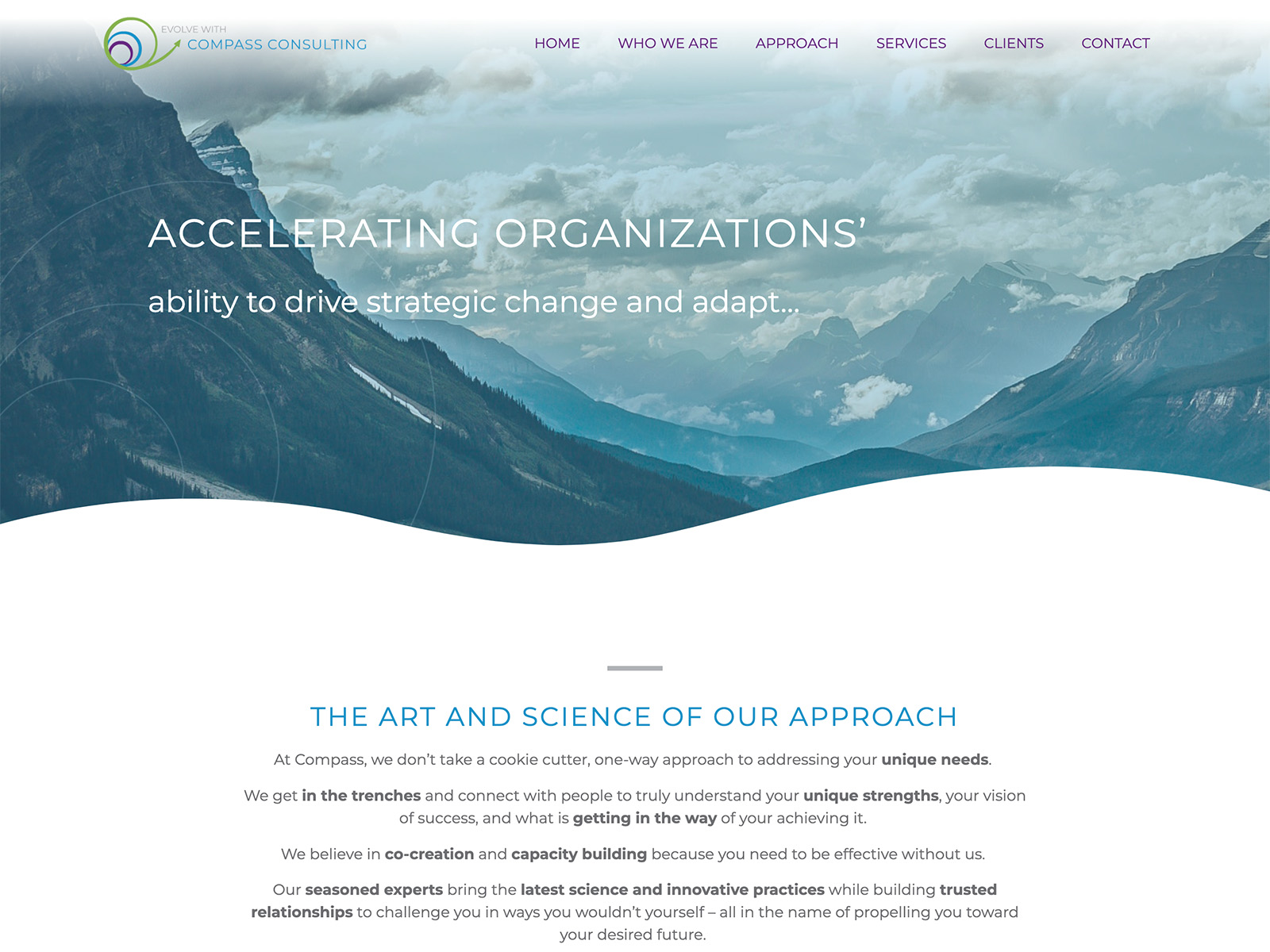
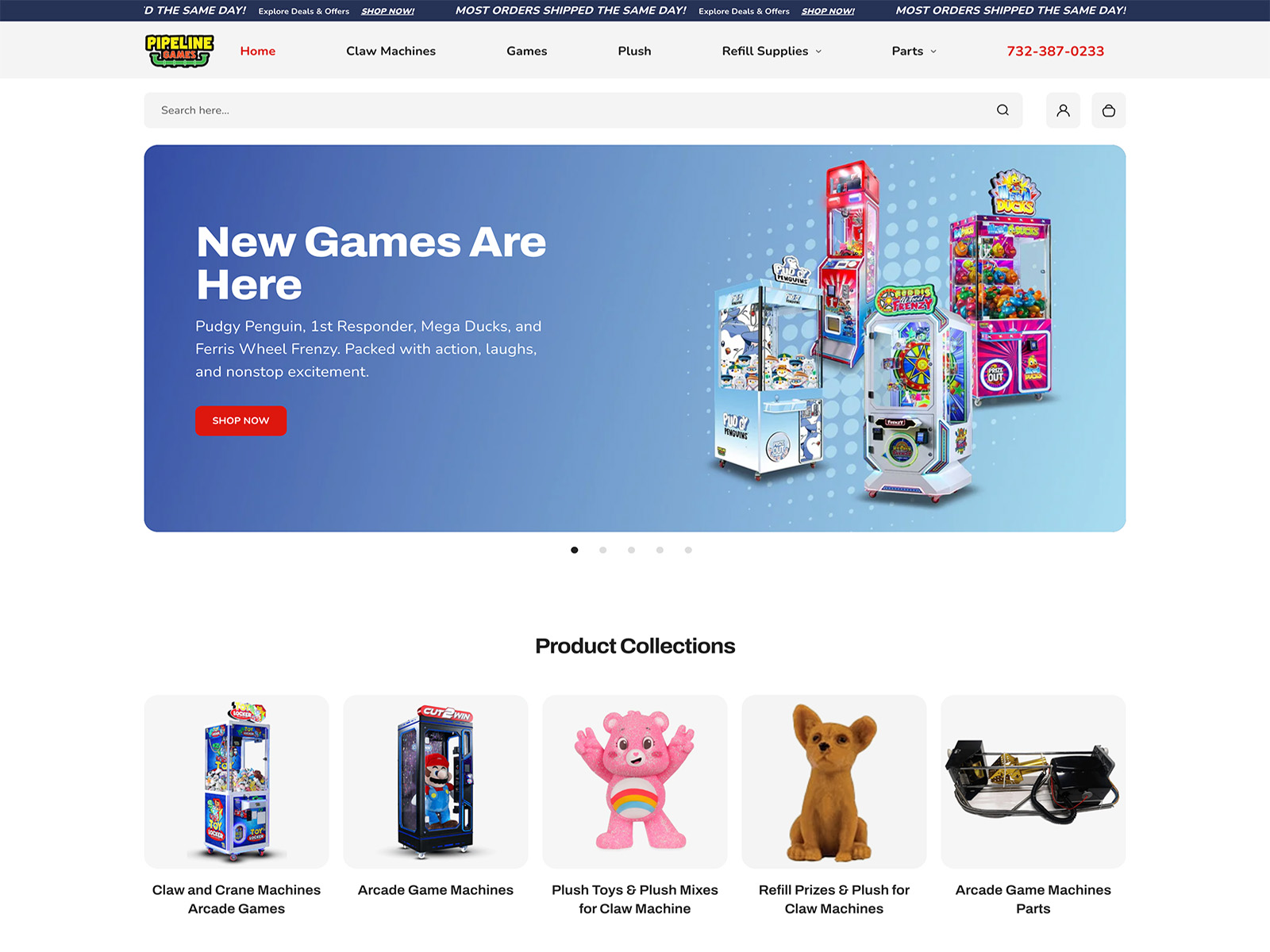
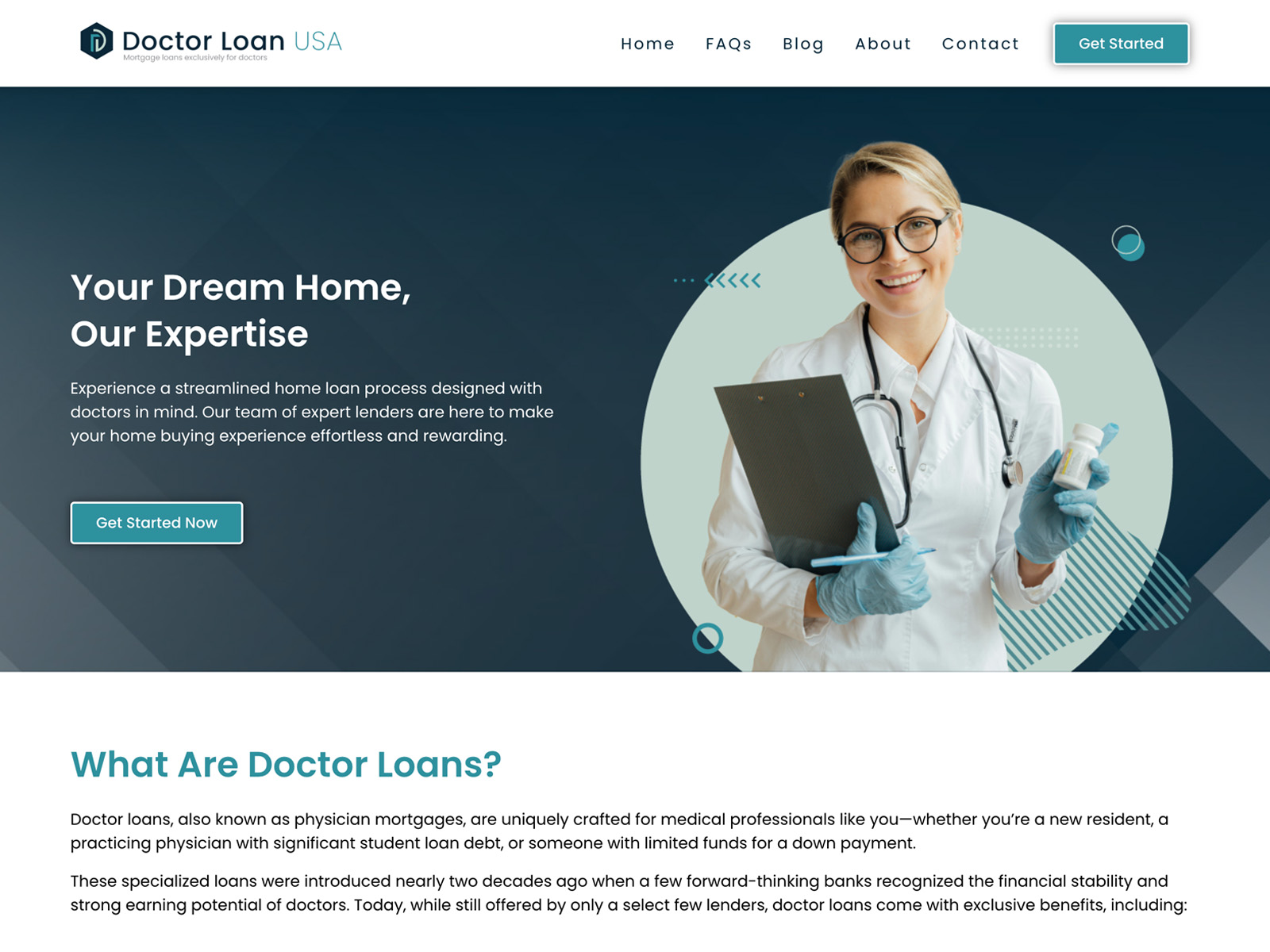
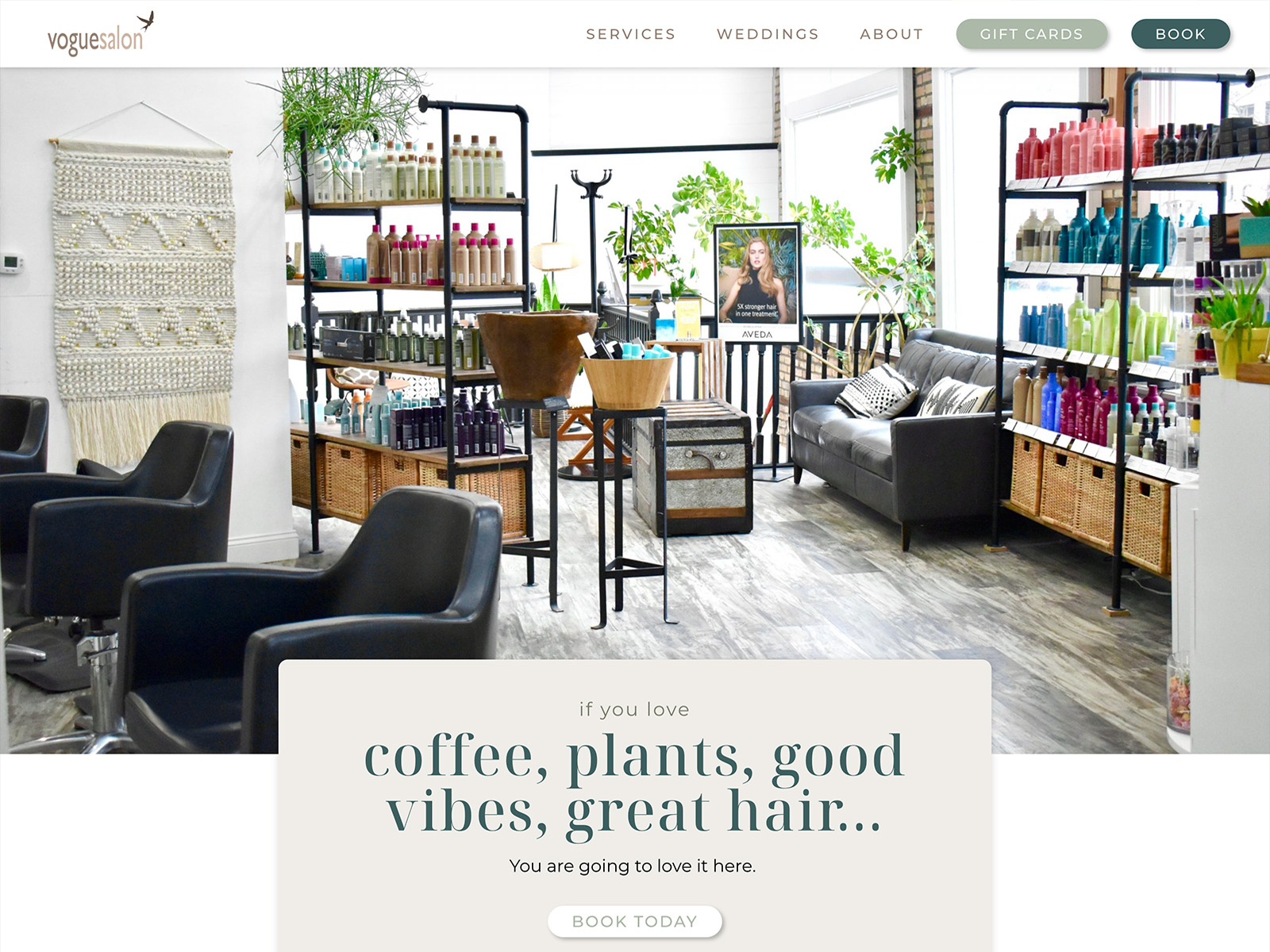
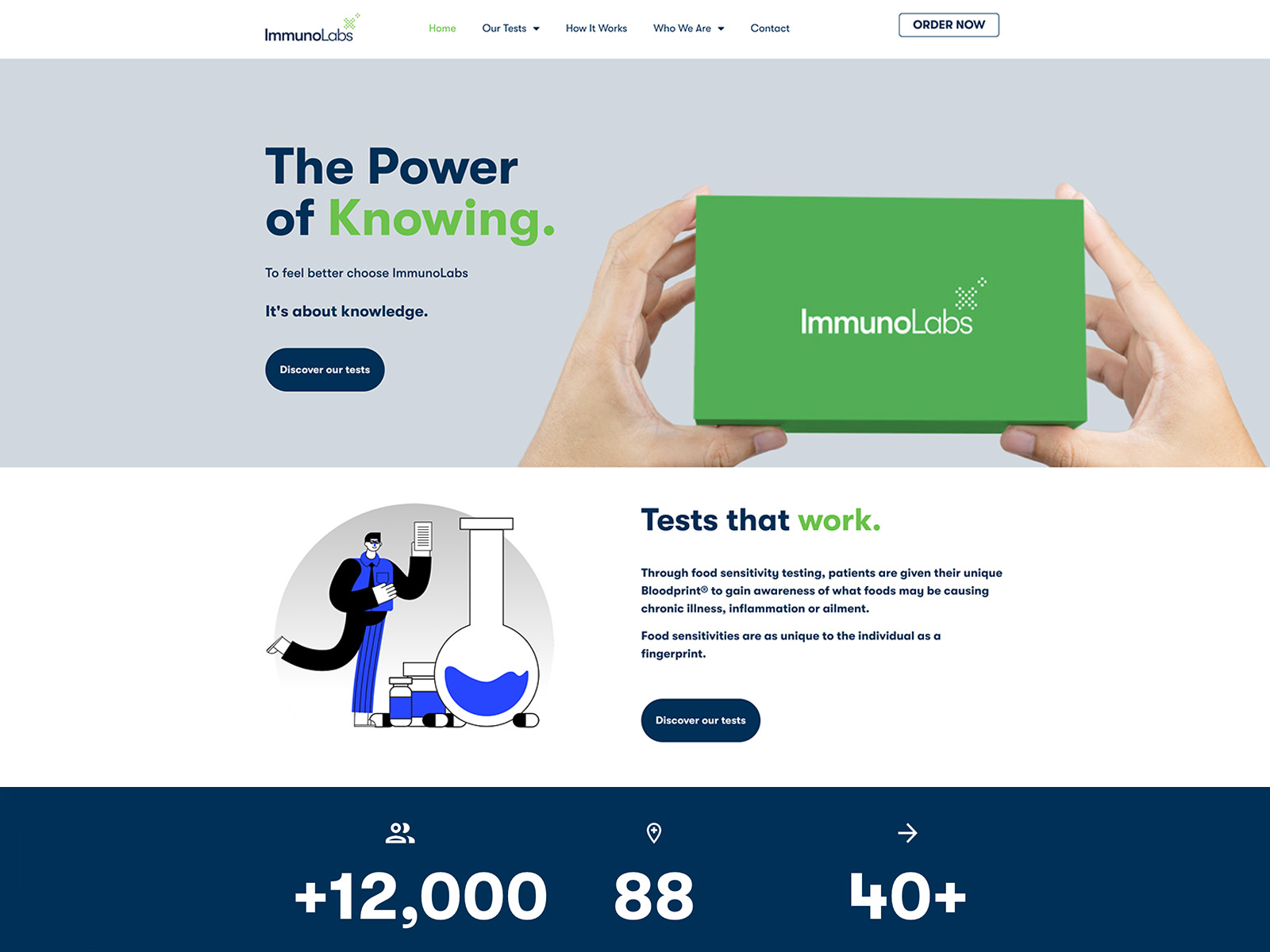
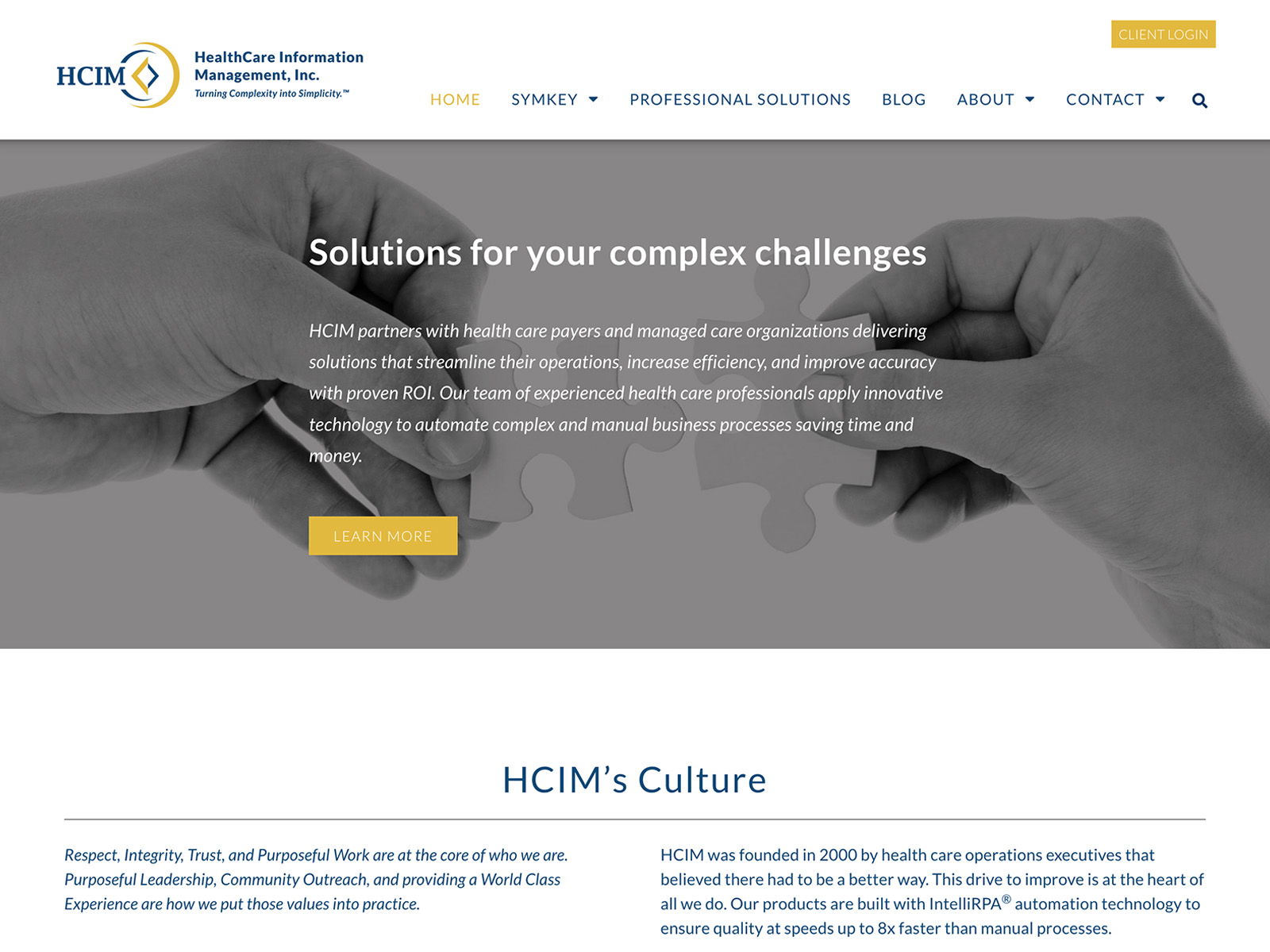
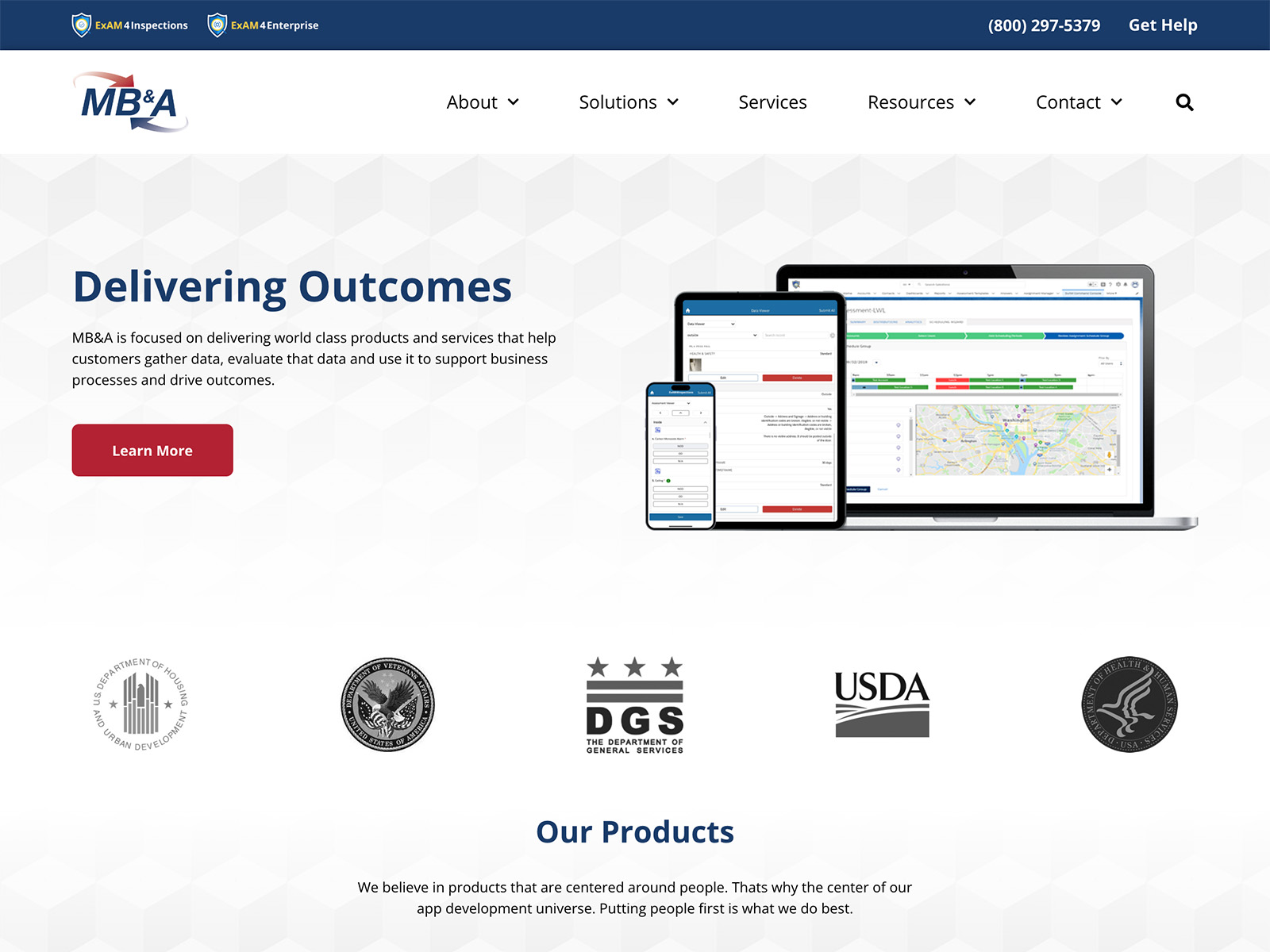
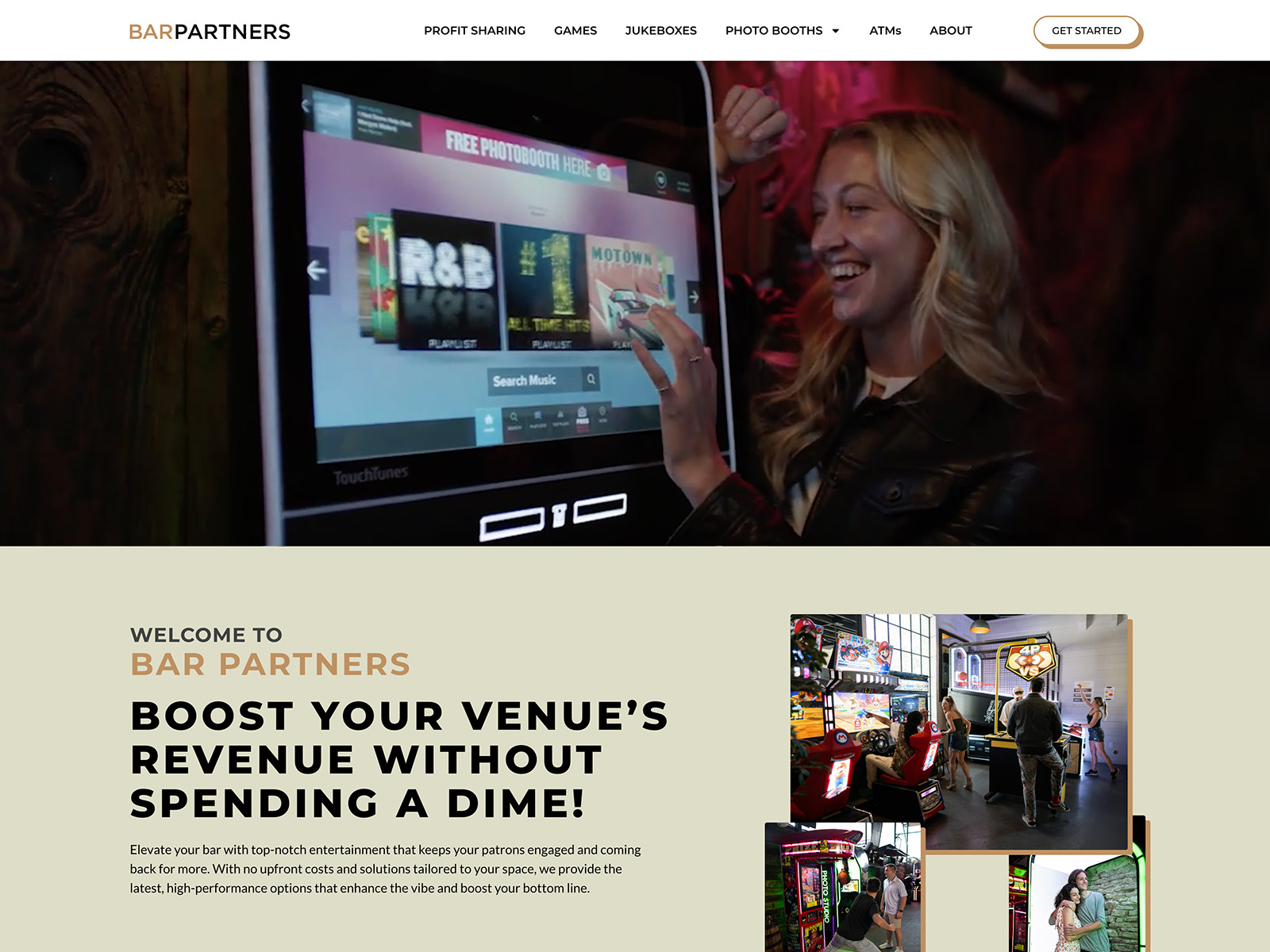
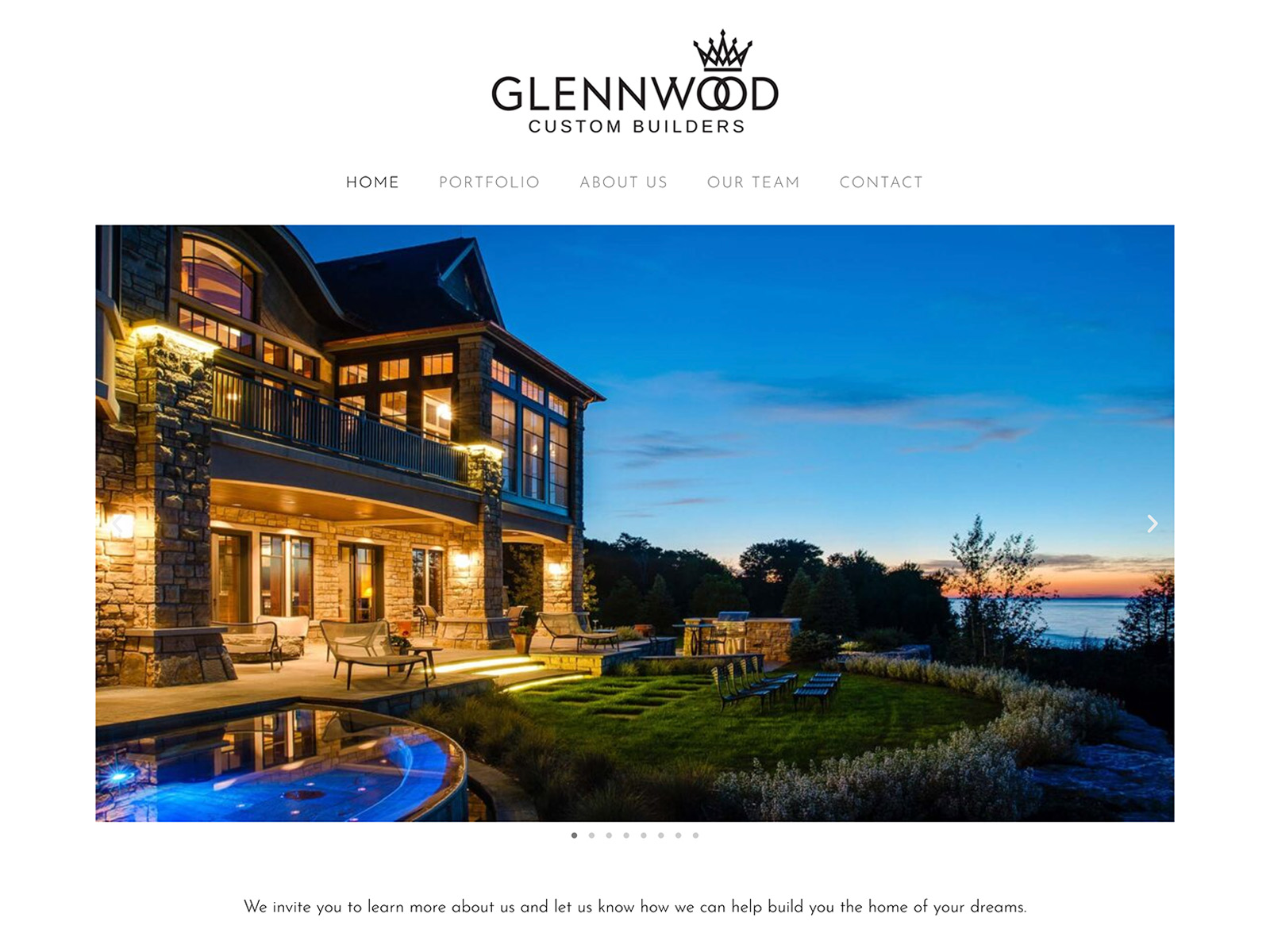
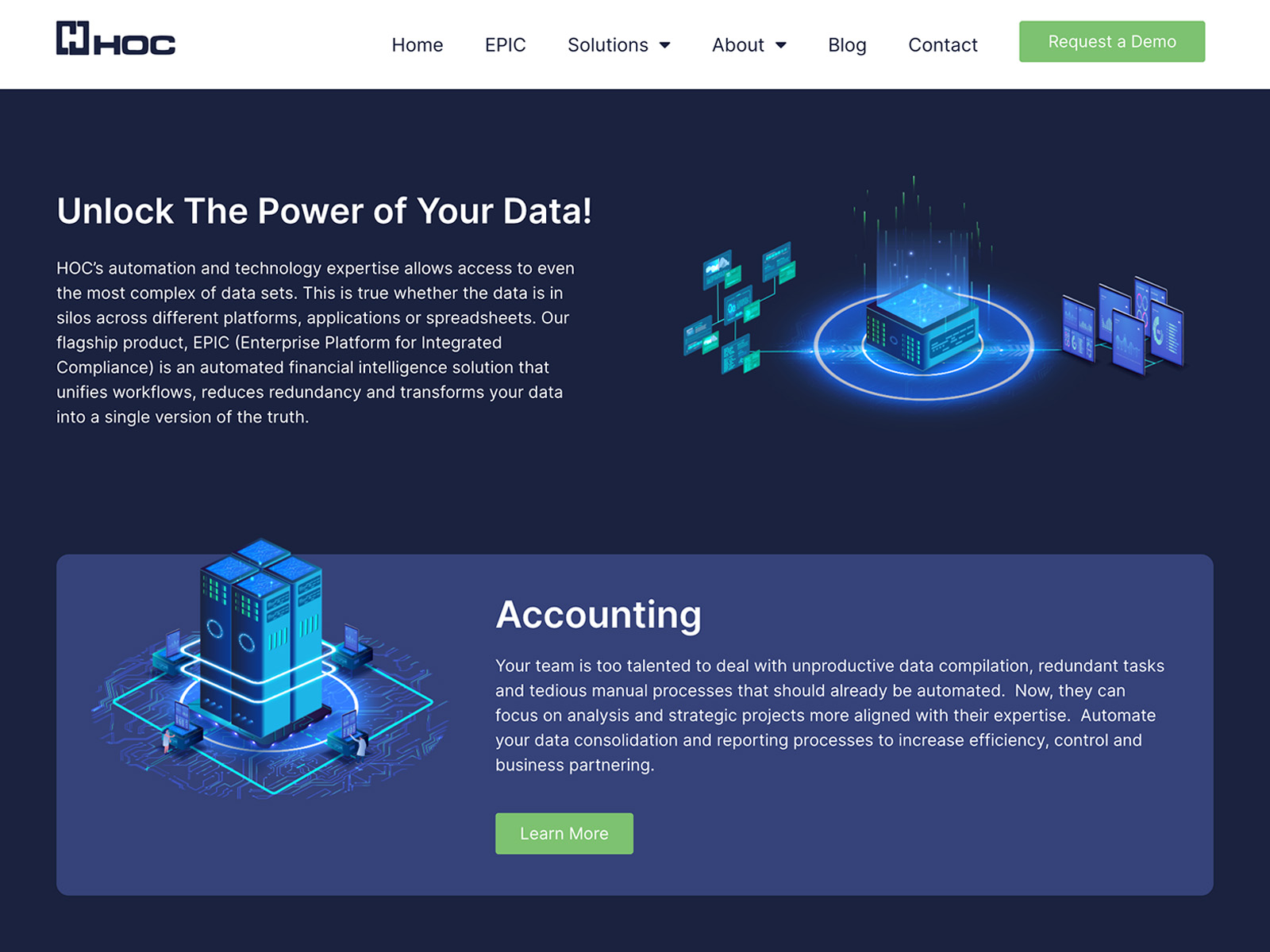
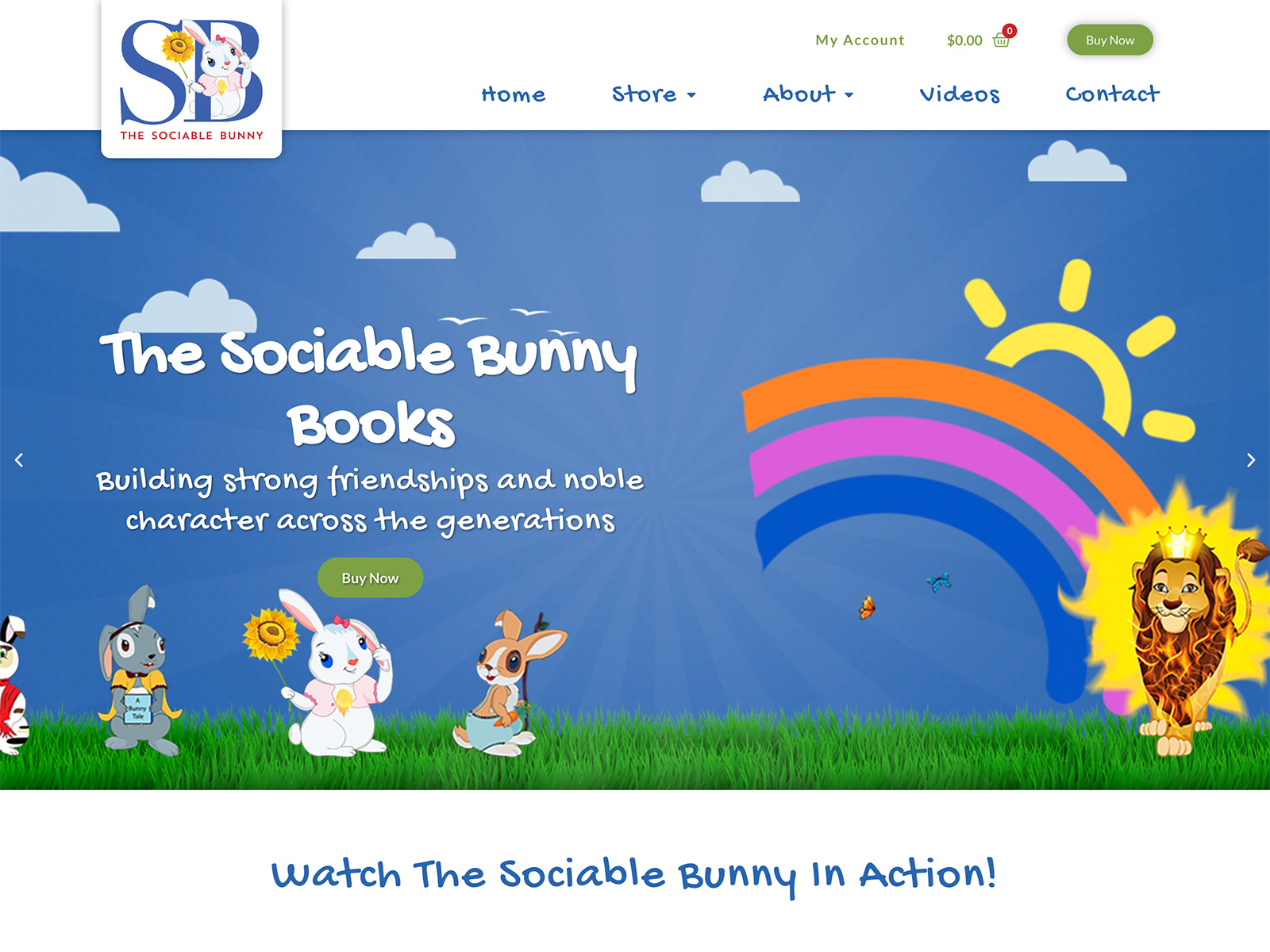
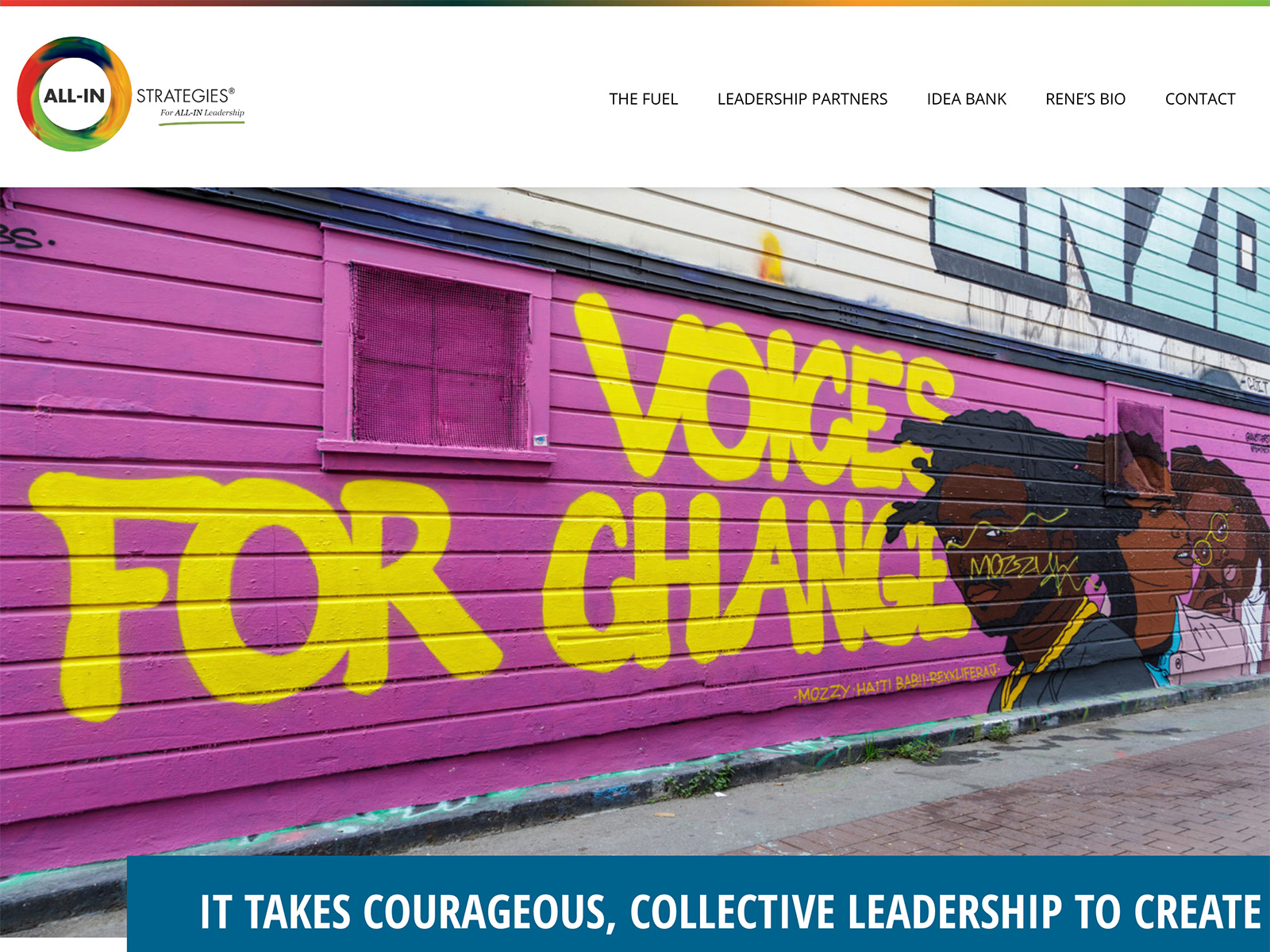
Custom websites built around your brand, your audience, and your goals.
Our websites combine strategic planning, intuitive design, and thoughtful user experiences to help businesses build credibility and connect with their audience.
Every website starts with understanding your goals, your customers, and the role your website needs to play in your business. From content strategy and user experience to visual design and functionality, we create websites that are easy to navigate, aligned with your brand, and built to support your marketing efforts.
Whether you’re launching a new website or updating an existing one, we help transform your online presence into a powerful business tool, one that reflects your brand, engages visitors, and creates opportunities for growth.
The cost of a custom website depends on your business goals, the number of pages, functionality, and content requirements. Most small to mid-sized businesses invest anywhere from $3,000 to $15,000+ for a professionally designed website. More complex websites with e-commerce, custom integrations, or advanced functionality may require a larger investment.
A custom website is designed specifically for your business, helping you stand out from competitors, improve user experience, and generate more leads. Rather than focusing on price alone, it’s important to consider the long-term value a well-designed website can bring to your business.
Should I Redesign My Website?
If your website no longer reflects your business, is difficult to update, performs poorly on mobile devices, or isn’t generating leads, it may be time for a redesign. Your website is often the first impression potential customers have of your business, and an outdated or difficult-to-use site can impact credibility and conversions.
A website redesign isn’t just about improving the look of your site. It’s an opportunity to improve user experience, strengthen your messaging, optimize for search engines, and create a better experience that encourages visitors to take action.
How Long Does It Take to Build a Website?
The timeline for a custom website depends on the size and complexity of the project. Most business websites take 6 to 10 weeks from planning to launch, while larger or more complex projects may take longer.
The process typically includes discovery, strategy, design, content organization, development, revisions, testing, and launch. Providing content and feedback promptly helps keep the project on schedule.
How Often Should I Update My Website?
Your website should be reviewed regularly and updated whenever your business changes. At a minimum, we recommend checking your website every few months to ensure content is accurate.
Adding new content, updating services, publishing blog posts, and making ongoing improvements also help keep your website fresh for both visitors and search engines. Regular updates and improvements also help your chances of ranking well in search results.
How Do I Improve My Website Conversions?
Improving website conversions starts with understanding what your visitors need and making it easy for them to take the next step. Clear messaging, intuitive navigation, compelling calls to action, fast loading speeds, mobile-friendly design, and trust-building elements like testimonials all play an important role.
Small improvements can often make a significant impact. Analyzing visitor behavior and refining your website over time helps turn more visitors into leads and customers.
How Do I Know If My Website Is Outdated?
An outdated website isn’t just about appearance. If your website looks old, loads slowly, isn’t mobile-friendly, has confusing navigation, or no longer reflects your business, it’s likely time for an update.
Other warning signs include declining search rankings, low conversion rates, outdated content, broken links, or difficulty making updates. A modern website should be easy to use, visually engaging, optimized for search engines, and designed to support your current business goals.
Why Is My Website Slow?
Slow websites are often caused by large image files, outdated plugins, poor hosting, excessive scripts, or inefficient code. A slow website can frustrate visitors, hurt your search engine rankings, and reduce conversions.
Improving website speed may involve optimizing images, cleaning up unnecessary plugins, improving hosting, minimizing code, enabling caching, and following modern web performance best practices. A faster website provides a better user experience and can have a measurable impact on your business’s online success.